Understanding Anxiety Across Different Ages: A Guide for Parents

As parents, it’s important to recognize that anxiety is a common part of life for children, and it can manifest differently at each stage of their development. Here at Fairhope Pediatrics, we aim to support you in understanding the signs and symptoms of anxiety at various ages. By identifying these signs early on, you can provide the vital support and interventions needed to help your children navigate their emotions effectively.

Infancy and Toddlerhood:

While it may seem surprising, even infants and toddlers can experience anxiety. Common signs of anxiety in this age group include excessive crying, clinginess, and difficulty sleeping or eating. Separation anxiety is also common during this stage, typically peaking around 18 months. Parents can help by providing a consistent and comforting environment, offering reassurance, and gradually exposing their child to new experiences.

Early Childhood (Ages 3-6):

In early childhood, children’s fears may become more specific and intense. They may develop fears of the dark, monsters, or being separated from their parents. Nightmares and bedtime resistance are also common manifestations of anxiety at this age. Parents can help by validating their child’s feelings, offering comfort and support, and teaching coping strategies such as deep breathing or visualization techniques.

Middle Childhood (Ages 7-11):

As children enter middle childhood, their worries may become more complex and may include concerns about school performance, social acceptance, and future events. Physical symptoms such as headaches or stomach aches may also arise in response to stress and anxiety. Parents can support their child by encouraging open communication, helping them problem-solve, and promoting healthy coping mechanisms like exercise or creative expression.

Adolescence (Ages 12-18):

During adolescence, hormonal changes, academic pressures, and social dynamics can contribute to heightened anxiety levels. Teens may experience panic attacks, perfectionism, or avoidance behaviors. It’s essential for parents to maintain open lines of communication with their teenager, validate their experiences, and seek professional help if needed. Encouraging healthy lifestyle habits such as regular exercise, adequate sleep, and stress management techniques can also be beneficial.

Overall, the key to identifying anxiety at any age is to pay attention to changes in behavior, mood, and physical symptoms. If parents notice persistent signs of anxiety that interfere with their child’s daily functioning or quality of life, it’s essential to seek support from their pediatric provider here at Fairhope Pediatrics.

If you have any concerns about your child’s anxiety or emotional well-being, please don’t hesitate to reach out. We’re here to help.


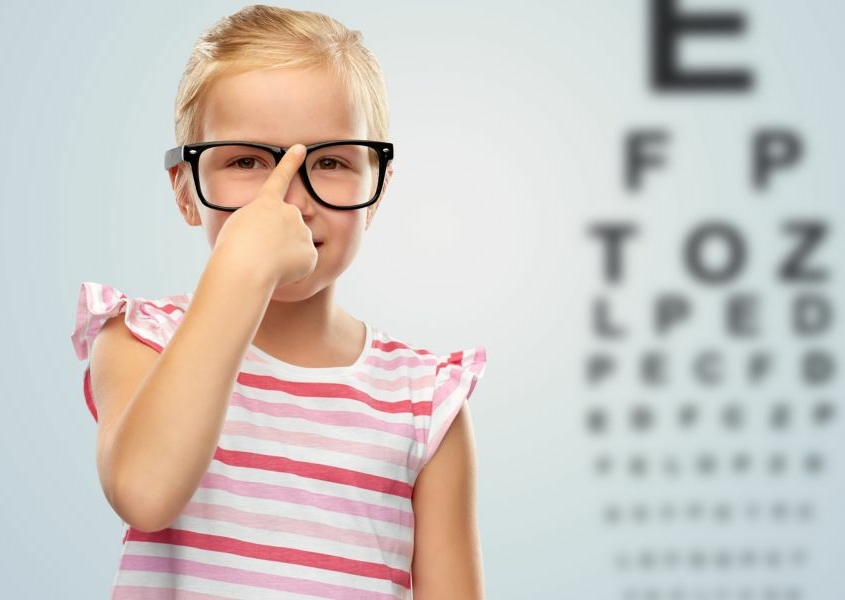
Signs Your Child May Need an Eye Exam

As a parent, ensuring your child’s optimal health and development is a top priority. Vision plays a crucial role in a child’s learning and overall well-being. Recognizing the signs that may indicate a need for an eye exam is essential for early detection and intervention.

Common Signs to Watch For:

  • Squinting or blinking frequently: If you notice your child squinting or blinking excessively, it could indicate a refractive error such as nearsightedness, farsightedness, or astigmatism. These conditions can cause blurred vision and eye strain.
  • Frequent headaches or eye strain: Children with uncorrected vision problems may experience frequent headaches, especially after close-up activities like reading or screen time. Eye strain can also manifest as rubbing or itching of the eyes.
  • Difficulty concentrating or short attention span: Vision difficulties can impact a child’s ability to focus and concentrate, leading to academic challenges and behavioral issues in the classroom.
  • Holding objects close to the face: If your child holds books, toys, or electronic devices unusually close to their face, it may be a sign of nearsightedness or other vision problems.
  • Eye rubbing or redness: Persistent eye rubbing or redness can indicate eye irritation, allergies, or underlying vision issues that require evaluation by an eye care professional.
  • Poor hand-eye coordination: Vision problems can affect hand-eye coordination, making activities like catching a ball or tying shoelaces more challenging for children.

If you observe any of these signs or have concerns about your child’s vision, scheduling a comprehensive eye exam with an optometrist or ophthalmologist is recommended. Early detection and treatment of vision problems are crucial for your child’s academic success, social development, and overall quality of life. At Fairhope Pediatrics, we will test your child’s vision as part of their routine wellness check.

Regular eye exams are essential, even if your child does not display obvious signs of vision problems. Many eye conditions can develop gradually and may not cause noticeable symptoms until they have progressed significantly. By prioritizing your child’s eye health and scheduling routine eye exams, you can ensure they have the best possible vision and visual function for years to come.

If you have any concerns about your child’s vision, please contact one of our providers to discuss your concerns.

Understanding Autism: Autism Awareness Month

April is Autism Awareness Month, a time dedicated to raising awareness, promoting acceptance, and celebrating the unique strengths and abilities of individuals on the autism spectrum. As your pediatrician’s office, we recognize the importance of understanding autism spectrum disorder (ASD) and providing support to families navigating this journey.

What is Autism Spectrum Disorder?

Autism spectrum disorder is a neurodevelopmental condition that affects communication, social interaction, and behavior. It is characterized by a wide range of symptoms and challenges, leading to the term “spectrum.” While each individual with autism is unique, common traits may include difficulties in social interaction, repetitive behaviors, sensory sensitivities, and challenges with verbal and nonverbal communication.

Early Signs and Screening:

Early detection and intervention are critical for children with autism. As pediatricians, we are trained to recognize the early signs of ASD and conduct developmental screenings as part of routine well-child visits. Some early signs of autism may include:

  • Delayed speech or language development
  • Lack of eye contact or social smiling
  • Repetitive behaviors, such as hand-flapping or spinning objects
  • Sensory sensitivities, such as aversion to certain textures or sounds

If you have concerns about your child’s development or notice any red flags for autism, we encourage you to reach out to our office. We are here to listen, provide guidance, and offer support every step of the way. Early intervention services, such as speech therapy, occupational therapy, and behavioral interventions, can make a significant difference in your child’s development and quality of life.

Make sure your child is up to date on ASD screening. Call us at 251-928-5568, or send us a message on your patient portal.

Autism Awareness Month is not only about raising awareness but also promoting acceptance and inclusion in our communities. We encourage you to learn more about autism, celebrate the strengths of individuals on the spectrum, and advocate for inclusive environments where all children feel valued and supported.

Updates to Our Office Mask Policy

Dear Fairhope Pediatrics Patients and Families,

We know that you depend on us to be the pediatric health experts for your family and to provide the safest environment possible for every child who enters our office. With the end of the public health emergency, we are updating our office mask policy as follows:

We require that any patient who presents with concern for a contagious illness (for example, fever, cough, and/or sore throat) wear a mask for the duration of their time in the office. For patients who do not have symptoms of a contagious illness, we welcome those patients and their families to decide for themselves if they would like to wear masks.

As always, we will have masks available for our patients and their families whenever needed. Thank you for your continued support, and we are thrilled to get to see your lovely faces in the clinic again.

Sincerely,

The Fairhope Pediatrics Team

Media Details

a:7:{s:8:”location”;a:1:{i:0;a:2:{i:0;a:3:{s:5:”param”;s:9:”post_type”;s:8:”operator”;s:2:”==”;s:5:”value”;s:4:”post”;}i:1;a:3:{s:5:”param”;s:13:”post_category”;s:8:”operator”;s:2:”==”;s:5:”value”;s:13:”category:news”;}}}s:8:”position”;s:6:”normal”;s:5:”style”;s:7:”default”;s:15:”label_placement”;s:3:”top”;s:21:”instruction_placement”;s:5:”label”;s:14:”hide_on_screen”;a:5:{i:0;s:4:”slug”;i:1;s:6:”format”;i:2;s:15:”page_attributes”;i:3;s:14:”featured_image”;i:4;s:15:”send-trackbacks”;}s:11:”description”;s:0:””;}

Home Page Alert

a:7:{s:8:”location”;a:1:{i:0;a:1:{i:0;a:3:{s:5:”param”;s:12:”options_page”;s:8:”operator”;s:2:”==”;s:5:”value”;s:12:”site-options”;}}}s:8:”position”;s:15:”acf_after_title”;s:5:”style”;s:7:”default”;s:15:”label_placement”;s:3:”top”;s:21:”instruction_placement”;s:5:”label”;s:14:”hide_on_screen”;s:0:””;s:11:”description”;s:0:””;}